Fire Prevention: An At-Home Guide
A home fire can start from something as ordinary as a pan left on the stove, a frayed phone charger, or a space heater placed too close to a blanket. The good news is that many house fires can be prevented with simple fire prevention habits, regular checks, and a clear plan. This guide will walk you through practical fire prevention steps you can use right away. You’ll learn how to reduce fire risks in the kitchen, use electrical appliances safely, maintain smoke detectors, and create a fire escape plan everyone in your home can follow.
Here’s what we’ll cover:
- How to keep your kitchen safer while cooking
- How to use cords, outlets, appliances, and heaters properly
- How to maintain smoke detectors and fire extinguishers
- How to build and practice a fire escape plan
- Common fire hazards to check around your home
Why Fire Prevention Matters
Fire prevention is about protecting people first. Property can often be repaired or replaced, but fast action and smart preparation can save lives. Many fire hazards are easy to overlook because they are part of daily life. You cook, charge devices, light candles, dry clothes, and use appliances without thinking much about risk. But small issues can become dangerous when they are ignored.
The best fire safety approach has three parts:
- Prevent fires from starting
- Detect smoke or fire early
- Know how to escape quickly
When these three pieces work together, your home becomes much safer.
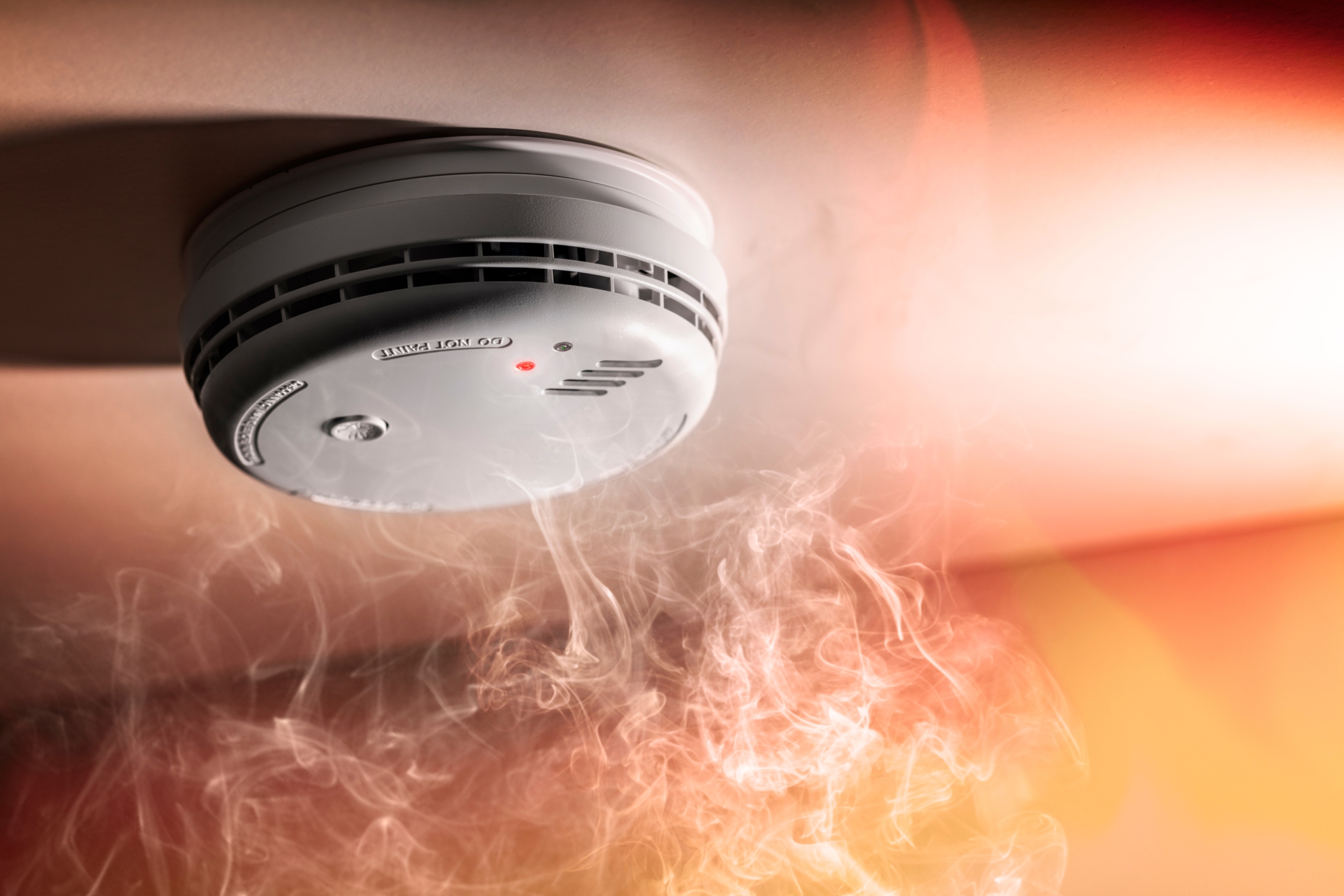
Maintain Smoke Detectors
Smoke detectors are one of the most important fire prevention tools in your home. They give you an early warning so you can get out before the smoke and flames spread.
Place Smoke Detectors in the Right Areas
Your home should have smoke detectors in key locations. Make sure you have them:
- Inside each bedroom
- Outside sleeping areas
- On every level of the home
- Near living areas
- In hallways
- At the top and bottom of stairways
Avoid placing smoke detectors too close to windows, vents, or fans. Moving air can keep smoke from reaching the sensor quickly.
Test Smoke Detectors Monthly
Press the test button on each smoke detector once a month. If it does not sound, replace the batteries or the unit. A quick monthly test takes only a few minutes, but it can make a major difference in an emergency.
Replace Batteries and Old Units
If your smoke detectors use replaceable batteries, change them at least once a year. Some people do this when they change their clocks, but you can choose any yearly reminder that works for you. Also, check the age of your smoke detectors. Many units need to be replaced after about 10 years. Look for the manufacturer’s date on the back of the device.
Keep Smoke Detectors Clean
Dust and debris can affect how well a smoke detector works. Gently vacuum around the outside of each unit or wipe it with a dry cloth. Do not paint over smoke detectors. Paint can block sensors and stop them from working properly. For more detailed information about installing and maintaining smoke detectors, check out this link from the National Fire Protection Association: Click Here
Practice Safe Cooking Habits
Cooking is one of the most common sources of home fires. The kitchen has heat, grease, towels, paper, and electrical appliances all in one place, so it needs extra care.
Stay Near the Stove
Never leave food cooking unattended on the stovetop. If you need to leave the kitchen, turn off the burner first.
This is especially important when you are:
- Frying food
- Cooking with oil or grease
- Boiling water
- Broiling food
- Using high heat
A small flare-up can grow quickly if no one is there to respond.
Keep Flammable Items Away from Heat
Look around your stove before you start cooking. Move anything that can burn away from burners, flames, and hot surfaces.
Keep these items away from the cooking area:
- Dish towels
- Paper towels
- Oven mitts
- Food packaging
- Wooden utensils
- Curtains
- Recipe cards
- Plastic bags
Even if an item is not touching the burner, heat can still cause it to catch fire.
Handle Grease Fires Safely
Grease fires are dangerous because they spread fast. Never pour water on a grease fire. Water can cause hot grease to splash and make the fire worse.
If a small grease fire starts in a pan:
- Turn off the burner if you can do so safely.
- Cover the pan with a metal lid or baking sheet.
- Leave the pan covered until it cools completely.
- Do not move the pan.
- Call emergency services if the fire does not go out right away.
If the fire grows, leave the home and call for help. Do not try to fight a large fire yourself.
Keep the Kitchen Clean
Grease and food buildup can catch fire. Clean your stovetop, oven, toaster, and microwave often.
Pay special attention to:
- Crumbs in the toaster
- Grease on burners
- Food spills inside the oven
- Splatter near the range hood
- Dust around appliance vents
A clean kitchen is not just nicer to use. It is also safer.
Turn Pot Handles Inward
Turn pot and pan handles toward the back of the stove. This helps prevent spills and burns, especially if you have children or pets in the home. A bumped pan can cause hot food, boiling water, or burning grease to spill. This simple habit can prevent serious accidents.
Use Electrical Appliances Safely
Electrical fires can start when cords, outlets, or appliances are damaged or overloaded. A few careful habits can lower the risk.
Do Not Overload Outlets
Plugging too many devices into one outlet can cause overheating. Avoid stacking multiple power strips or extension cords together. Use power strips only as intended. If you need more outlets in a room, consider having a qualified electrician inspect your setup.
Watch for signs of overloaded outlets, such as:
- Flickering lights
- Warm outlet covers
- Burning smells
- Sparks
- Buzzing sounds
- Breakers that trip often
If you notice any of these signs, stop using the outlet and get it checked.
Replace Damaged Cords
Check cords often, especially on items you use every day. Replace or stop using cords that are:
- Frayed
- Cracked
- Pinched
- Loose at the plug
- Warm during use
- Exposing wires
Do not run cords under rugs or furniture. A covered cord can overheat, and damage may go unnoticed.
Use Extension Cords Temporarily
Extension cords are meant for short-term use. They should not replace permanent wiring. If you rely on extension cords every day, your home may need more outlets. This is especially true in older homes that were not built for modern electronics.
Unplug Small Appliances When Not in Use
Unplug items like toasters, coffee makers, air fryers, hair tools, and space heaters when you are done using them. This protects against overheating, electrical faults, and accidental activation.
Follow Appliance Instructions
Every appliance has safety instructions for a reason. Use appliances only as directed, and keep them clean and well-ventilated. Do not ignore strange smells, smoke, sparks, or unusual sounds. If an appliance seems unsafe, stop using it until it can be repaired or replaced.
Be Careful With Heating Equipment
Heating equipment can be a fire hazard, especially during cold weather. Space heaters, fireplaces, and furnaces all need proper use and care.
Keep Space Heaters Away From Flammable Items
Place space heaters on a flat, stable surface. Keep them at least a few feet away from anything that can burn.
This includes:
- Bedding
- Curtains
- Rugs
- Furniture
- Clothing
- Paper
- Pet beds
Never use a space heater to dry clothes or warm blankets.
Turn Heaters Off Before Sleeping or Leaving
Turn off portable heaters when you leave the room or go to bed. Even if the heater has safety features, it should not be left unattended. Choose space heaters with automatic shutoff features, but do not rely on them alone.
Use Fireplaces Safely
If you use a fireplace, keep a screen in front of it to stop sparks from escaping. Burn only dry, seasoned wood, and never burn trash, cardboard, or wrapping paper. Make sure ashes are fully cool before disposal. Place ashes in a metal container with a lid, and keep the container away from the house, garage, deck, and dry leaves.
Schedule Heating System Maintenance
Have furnaces, chimneys, and fireplaces checked regularly. Maintenance can help prevent dangerous buildup, leaks, and mechanical problems. A yearly check before the heating season is a smart habit.
Use Candles and Open Flames With Care
Candles can make a room feel warm and relaxing, but they are still open flames. Treat them with caution every time!
Keep Candles Away From Anything That Can Burn
Place candles on stable, heat-safe surfaces. Keep them away from curtains, books, decorations, bedding, and furniture. Do not place candles where pets or children can knock them over.
Never Leave Candles Unattended
Blow out candles before leaving a room or going to sleep. If you often forget, consider using battery-operated candles instead.
Battery candles can give the same soft glow without the fire risk.
Be Careful During Power Outages
Flashlights and battery lanterns are safer than candles during power outages. Keep extra batteries in an easy-to-find place. If you must use candles, place them in sturdy holders and keep them away from walkways.
Store Flammable Items Properly
Many homes contain flammable products in garages, closets, laundry rooms, or sheds. These items need careful storage.
Keep Flammable Liquids Away From Heat
Store gasoline, paint thinner, lighter fluid, and other flammable liquids in approved containers. Keep them away from heat sources, pilot lights, and electrical equipment. Never store gasoline inside living areas.
Be Careful With Cleaning Products
Some cleaning products can be flammable or react with other chemicals. Read labels and store products as directed. Keep them in original containers so instructions and warnings remain visible.
Clear Clutter Around Heat Sources
Clutter can feed a fire and make it spread faster. Keep areas around water heaters, furnaces, electrical panels, and appliances clear. A simple rule helps: if it creates heat or uses electricity, give it space.
Keep Laundry Areas Safe
Dryers are easy to overlook, but lint can catch fire. Regular cleaning is essential.
Clean the Lint Trap Every Time
Clean the lint trap before or after every dryer load. This improves airflow and reduces fire risk. If clothes take longer than usual to dry, lint may be blocking the vent.
Check the Dryer Vent
The dryer vent carries hot air and lint outside. If it becomes clogged, heat can build up.
Signs of a clogged vent include:
- Clothes feel very hot after drying
- The laundry room feels hotter than normal
- A burning smell appears
- Drying takes longer than usual
- Lint builds up around the vent opening
Clean the vent regularly and make sure the outside vent flap opens freely.
Do Not Run the Dryer When You Leave
Avoid running the dryer when you are asleep or away from home. If a problem starts, you want to be nearby to act quickly.
Keep Fire Extinguishers Handy
A fire extinguisher can help put out a small fire before it grows. But it should only be used when the fire is small, contained, and you have a clear exit behind you.
Place Fire Extinguishers in Key Areas
Keep fire extinguishers in easy-to-reach places, such as:
- The kitchen
- The garage
- Near fireplaces
- Near workshops
- On each level of the home
Do not store a kitchen extinguisher directly next to the stove. If the stove catches fire, you may not be able to reach it safely.
Types of Fire Extinguishers and Their Uses
Different types of fire extinguishers are designed to combat specific types of fires. It’s important to use the correct extinguisher for each situation:
- Class A Extinguishers
For ordinary combustibles like wood, paper, and cloth. - Class B Extinguishers
For flammable liquids such as grease, gasoline, and oil-based paints. - Class C Extinguishers
For electrical fires involving appliances, wiring, or other energized equipment. - Class D Extinguishers
For flammable metals, commonly used in industrial settings. - Class K Extinguishers
For kitchen fires caused by cooking oils and fats.
Using the wrong type of extinguisher on a fire can make the situation worse, so always ensure the extinguisher matches the fire type. You may also be able to get a combined extinguisher that can handle more than one type of fire. ABC extinguishers are the most common.
Learn How to Use One
A common way to remember extinguisher use is PASS:
- Pull the pin
- Aim at the base of the fire
- Squeeze the handle
- Sweep from side to side
Only use an extinguisher if you feel safe doing so. If the fire spreads, smoke builds, or you feel unsure, leave immediately and call emergency services.
Check Extinguishers Regularly
Look at the pressure gauge and make sure the extinguisher is not expired, damaged, or blocked. Everyone in the home should know where it is. Remember, fire extinguishers are only good for one use at a time. After being used, it should be refilled, serviced, or replaced by a professional! For more information on using fire extinguishers and the types available, check out this information from the US Fire Administration: Click Here
Create a Fire Escape Plan
Fire prevention lowers risk, but every household still needs an escape plan. A fire can spread fast, and smoke can make it hard to see. Planning ahead helps everyone move quickly and calmly.
Identify Two Ways Out of Each Room
Each bedroom and the main living area should have two possible exits. This usually means a door and a window. Make sure windows open easily and are not blocked by furniture. If bedrooms are on an upper floor, consider escape ladders and make sure household members know how to use them.
Choose a Meeting Place Outside
Pick a safe meeting place away from the house. Good options include:
- A mailbox
- A tree
- A neighbor’s driveway
- A street sign
- The end of the sidewalk
Everyone should go directly to the meeting place after leaving the home. This helps you quickly know if anyone is missing.
Practice Fire Drills
Practice your escape plan at least twice a year. Try practicing during the day and at night so everyone knows what to do in different conditions.
During a drill, practice:
- Getting low under smoke
- Feeling doors for heat before opening
- Leaving belongings behind
- Going to the meeting place
- Calling emergency services from outside
Children, older adults, and anyone with mobility needs may need extra help. Assign responsibilities ahead of time.
Teach Everyone Not to Go Back Inside
Once you are outside, stay outside. Never go back into a burning home for pets, valuables, phones, or documents! Tell firefighters if someone or a pet may still be inside. They have the training and equipment to respond safely.
Make Your Home Safer for Children and Pets
Children and pets can accidentally create fire risks. A few extra precautions can help keep everyone safer.
Keep Matches and Lighters Locked Away
Store matches and lighters in a locked cabinet or a high place that children cannot reach. Teach children that these items are tools, not toys. If a child shows interest in fire, take it seriously and talk about safety in a calm, clear way.
Create Safe Zones Around Heat
Keep children and pets away from stoves, fireplaces, grills, candles, and space heaters. A clear “no-touch zone” can help prevent burns and accidents. Use baby gates or barriers when needed.
Secure Loose Cords
Pets may chew cords, and children may pull on them. Keep cords tucked away and inspect them often. If a cord becomes damaged, stop using it right away!
Check Outdoor Fire Hazards
Fire prevention does not stop at the front door. Outdoor areas can also create risks, especially during dry or windy weather!
Grill Safely
Place grills away from siding, deck railings, trees, and outdoor furniture. Never grill in a garage or enclosed space. Clean grease buildup from the grill and drip trays. Keep children and pets away while cooking.
Dispose of Smoking Materials Properly
If anyone smokes, use deep, sturdy ashtrays. Make sure cigarettes and ashes are fully out before throwing them away. Never toss smoking materials into mulch, leaves, planters, or trash cans with paper.
Keep Dry Debris Away From the House
Remove dry leaves, branches, and clutter from around your home. Keep gutters clean and trim plants away from exterior walls. This is especially important if you live in an area with dry seasons or wildfire risk.
Common Fire Prevention Mistakes to Avoid
Even careful homeowners can miss simple fire hazards. Watch out for these common mistakes:
- Ignoring chirping smoke detectors
- Leaving cooking unattended
- Using damaged cords
- Running cords under rugs
- Overloading outlets
- Leaving candles burning
- Placing space heaters near bedding or curtains
- Forgetting to clean the dryer lint
- Blocking exits with furniture or storage
- Failing to practice an escape plan
The goal is not to be perfect. The goal is to build fire prevention habits that become part of daily life.
A Simple Home Fire Prevention Checklist
Use this checklist once a month to spot problems before they become serious.
Monthly Fire Prevention Check
- Test all smoke detectors
- Check fire extinguisher gauges
- Look for damaged cords
- Clear clutter from exits
- Clean the stovetop and oven spills
- Clean the dryer lint trap and check the vent area
- Move flammable items away from heat sources
- Make sure space heaters have a clear space
- Check that windows and doors open easily
- Review your fire escape meeting place
A monthly check can take less than 30 minutes, but it can help protect your home all year.
What to Do If a Fire Starts
If a fire starts, act quickly. Your safety comes first.
Follow these steps:
- Alert everyone in the home.
- Leave immediately if the fire is spreading.
- Stay low if there is smoke.
- Close doors behind you if it is safe.
- Go to your outdoor meeting place.
- Call emergency services from outside.
- Do not go back inside.
If it is a very small fire and you have a clear exit, you may use a fire extinguisher. But if you have any doubt, get out first!
Conclusion: Start With One Fire Prevention Step Today
Fire prevention at home does not have to be complicated. Simple actions like testing smoke detectors, staying near the stove, replacing damaged cords, and practicing an escape plan can make your home much safer. Start with one step today. Test your smoke detectors, clear items away from the stove, or walk through your fire escape plan with your household. Small habits add up, and they can make all the difference when every second counts!
For more guides like these, please visit our blog.