Home Renovation: Tips and Tricks for 2026
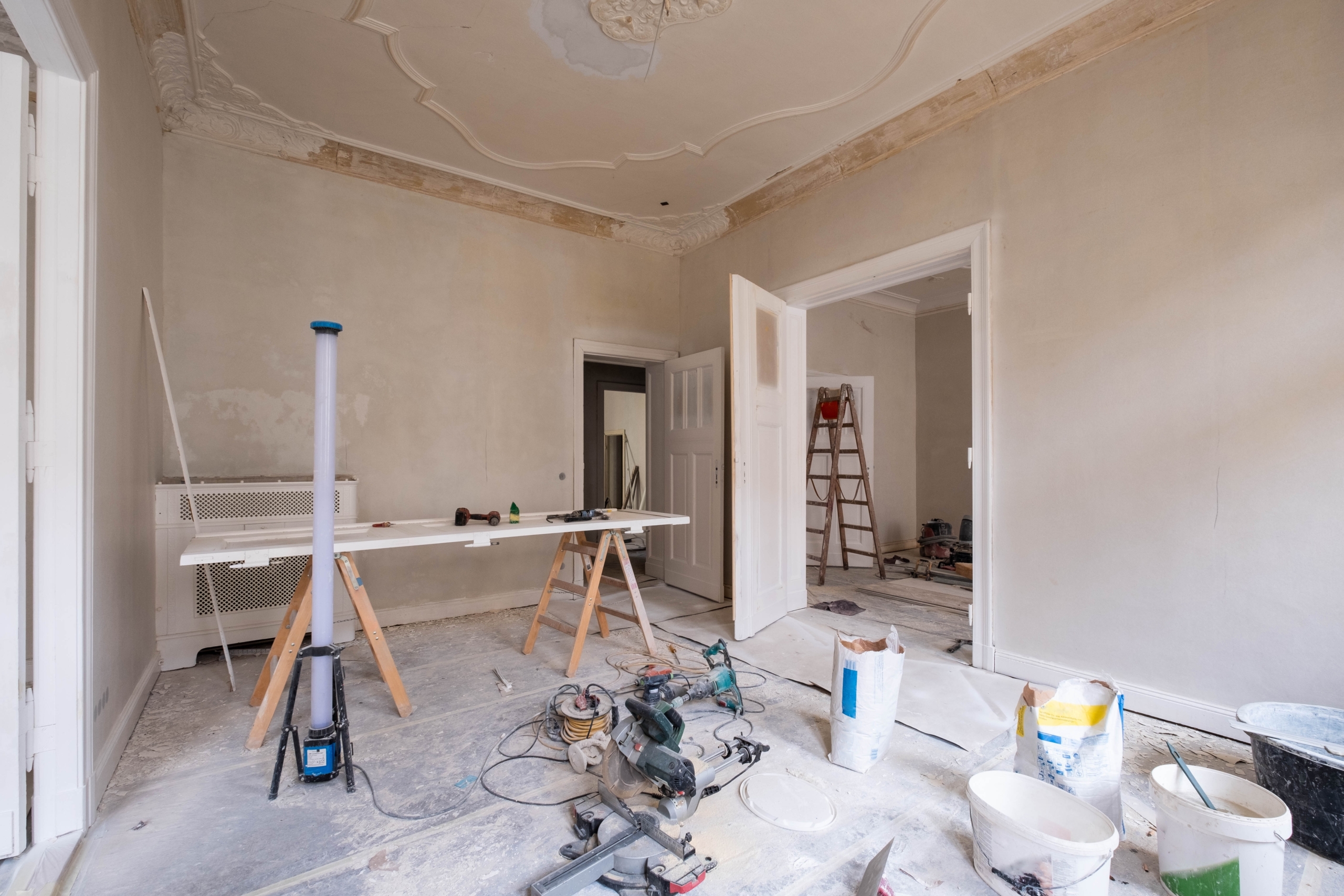
Home renovation is one of the biggest investments you’ll make and one of the most rewarding. Done right, it can boost your comfort, increase your property’s value, and give your space a fresh feel. Done wrong, it can drain your savings and leave you with months of frustration.
The good news? A little planning goes a long way! Whether you’re updating a single room or transforming your entire house, the right approach helps you protect your budget, avoid common pitfalls, and achieve results you’ll love for years to come!
Start With a Clear Plan and Budget
Before you pick up a single paintbrush, take the time to map out your project. A clear plan keeps you focused and helps prevent costly surprises down the line.
Start by listing your priorities. What do you need to fix, and what would simply be nice to have? Separating the two helps you allocate your money where it matters most.
Next, set a realistic budget, then add a buffer. Home renovation projects often uncover hidden issues, from outdated wiring to water damage behind the walls. The experts at AmeriSave generally recommend setting aside an extra 10–20% of your total budget for these unexpected costs. That cushion can save you a lot of stress if something goes wrong.
It’s also worth checking whether your project requires permits. Structural changes, electrical work, and plumbing updates often need approval from your local council. Skipping this step can lead to fines or problems when you eventually sell.
Focus On Projects With the Best Return
If boosting your home’s value is a priority, not all home renovations are created equal. Some projects offer a much stronger return on investment (ROI) than others.
Interestingly, exterior upgrades tend to deliver the best value. According to the Zonda Cost vs. Value Report, projects like manufactured stone veneer and garage door replacements have historically recouped a large share of their cost at resale—often more than flashier interior renovations.
Here are some improvements that tend to pay off:
-
- Curb appeal upgrades: A new garage door, fresh siding, or an updated entry door makes a strong first impression and often recoups much of its cost.
-
- Minor kitchen remodels: You don’t need a full gut renovation. Refreshing cabinets, updating hardware, and replacing dated appliances can transform the space affordably.
-
- Window replacements: New windows improve energy efficiency and appeal to buyers.
On the flip side, large luxury additions like an upscale master suite often return the least. The same Cost vs. Value Report found these high-end projects can recoup little more than half their cost. If resale value is your goal, modest, well-targeted updates usually beat big-ticket splurges.
Know When to DIY and When to Hire a Pro
There’s real satisfaction in tackling a project yourself, and DIY can save you money on labor. Painting, installing shelves, and simple landscaping are all great candidates for the weekend warrior.
But some jobs are best left to professionals. Electrical work, plumbing, and structural changes carry real safety risks and often require permits or specialized skills. A botched DIY job can end up costing far more to fix than hiring an expert would have in the first place.
When you do hire a contractor, do your homework. Get at least three quotes, check reviews and references, and make sure they’re properly licensed and insured. A written contract that spells out the scope, timeline, and payment schedule protects both you and your wallet.
Smart Tips for Kitchens and Bathrooms
Kitchens and bathrooms are the rooms buyers care about most and where home renovations can quickly get expensive. A few smart choices help you get the most for your money.
In the kitchen, consider refacing cabinets instead of replacing them entirely. A fresh coat of paint, new handles, and updated countertops can deliver a dramatic change at a fraction of the cost. Energy-efficient appliances are another worthwhile upgrade that pays off over time through lower bills.
In the bathroom, small details make a big difference. Re-grouting tiles, updating fixtures, and adding good lighting can refresh the space without a full remodel. If your budget allows, a modern vanity and water-saving fixtures add both style and long-term savings.
Don’t Overlook Energy Efficiency
Energy-efficient upgrades are a win-win. They lower your utility bills and make your home more attractive to future buyers who care about running costs.
Simple changes add up quickly. Sealing drafts, adding insulation, and switching to LED lighting are affordable steps with a fast payback. Larger investments, like energy-efficient windows, a modern HVAC system, or solar panels, cost more upfront but can deliver meaningful savings over the years.
These improvements also support a more comfortable, consistent indoor temperature, making your home more pleasant to live in every day.
Avoid Common Home Renovation Mistakes
Even with the best intentions, it’s easy to stumble. Watch out for these frequent missteps:
-
- Underestimating costs: Always build in a contingency fund for surprises.
-
- Choosing trends over timelessness: Bold, of-the-moment choices can date quickly. Stick to classic finishes for big-ticket items, and add personality through easy-to-change details like paint and décor.
-
- Skipping permits: It may seem like a shortcut, but unpermitted work can cause major headaches at resale.
-
- Ignoring the whole picture: A stunning kitchen looks odd next to a neglected living room. Aim for a cohesive look throughout your home.
Building a Home You’ll Love
A successful home renovation comes down to thoughtful planning, smart spending, and knowing when to call in the experts. By prioritizing the projects that matter most and protecting your budget along the way, you can transform your space without unnecessary stress.
Start small if you need to! Even modest updates, tackled one at a time, can make a real difference to how your home looks, feels, and functions. And as you plan, it’s always worth reviewing your home insurance to make sure your coverage reflects your home’s new value and any upgrades you’ve made.
Ready to begin? Map out your priorities, set a realistic budget, and take that first confident step toward the home you’ve always wanted!
Home Renovation Frequently Asked Questions
How much should I budget for unexpected renovation costs?
A good rule of thumb is to set aside an extra 10–20% of your total budget for surprises. Older homes, in particular, often reveal hidden issues like outdated wiring or water damage once work begins.
Which home renovations add the most value?
Exterior projects tend to offer the strongest return, including garage door replacements, new siding, and updated entry doors. Minor kitchen remodels also perform well, while large luxury additions typically return the least.
Should I renovate before selling my home?
It depends on the project. Affordable, high-impact updates—like fresh paint, improved curb appeal, and minor kitchen or bathroom refreshes—often help a home sell faster. Avoid expensive renovations that may not recoup their cost.
Do I need a permit for my home renovation?
Many structural, electrical, and plumbing projects require permits from your local council. Always check before starting, as unpermitted work can lead to fines and complications when you sell.
For more guides like these, please visit our blog.