Cooking Tips for Beginners

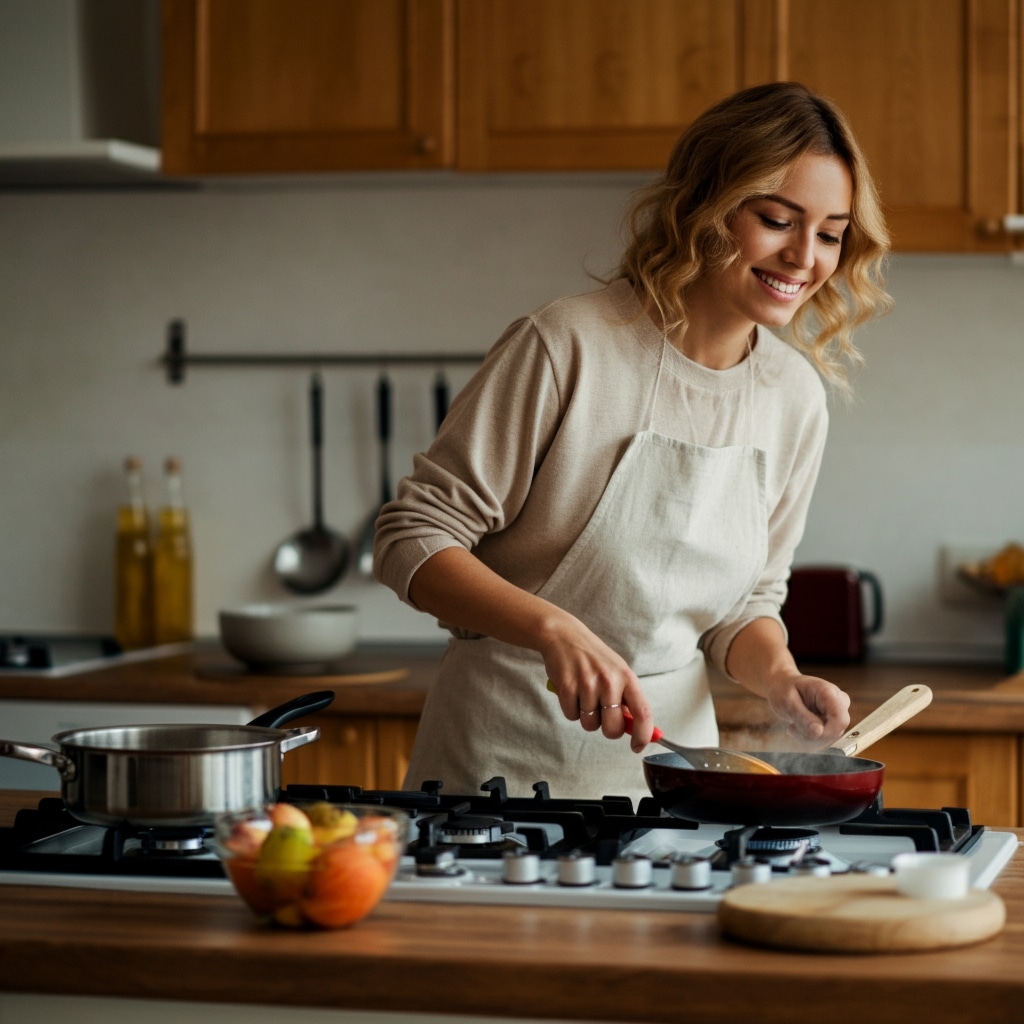
Stirring Up Success in the Kitchen
Stepping into the kitchen for the first time can feel daunting, but it doesn’t have to be! Whether you’re looking to whip up a quick dinner or impress your friends with a home-cooked meal, learning these cooking tips can make all the difference. This guide will take you through the essentials that every beginner chef should know, from understanding basic techniques to mastering the art of seasoning. Grab your apron, and let’s get cooking!
The Importance of Mise en Place
It’s paramount to get organized before you even turn on the stove. The French term “mise en place” means “everything in its place,” and it’s a practice that can set you up for success in the kitchen. By preparing all your ingredients before you start cooking, you’ll avoid the stress of rushing and make the process smooth and enjoyable.
Start by thoroughly reading through your recipe. Ensure you understand each step and have all the necessary ingredients. Once you’ve got everything, chop, measure, and prepare them according to the recipe. You’ll find cooking much more manageable with everything ready and within reach.
Another benefit of this practice is that it allows you to double-check your measurements and ingredients. This precaution helps prevent mistakes and ensures that your dish comes out just right every time. Plus, it keeps your workspace tidy, which makes cooking more enjoyable and less stressful.
Mastering Basic Knife Skills
Cooking often requires chopping, slicing, and dicing, so it’s crucial to master some basic knife skills. A sharp knife is your best friend in the kitchen, making your tasks easier and more efficient. Start with the basics—learn to hold a knife properly and practice simple cuts like chopping onions or slicing vegetables.
When holding a knife, grip the handle firmly but not too tightly, and pinch the blade’s end with your thumb and forefinger for better control. This grip gives you more precision and stability as you cut. Understanding the different cutting techniques can also enhance your cooking experience. For example, learning how to dice onions finely can become second nature with practice.
Remember to keep your knives sharp; a dull blade is more dangerous than a sharp one because it can slip easily. Regularly honing your knife with a steel rod and having it professionally sharpened every few months will make chopping more seamless. Practicing these skills will improve your efficiency and make cooking much more enjoyable.
Understanding Cooking Terms
Recipes often include terms that might be unfamiliar to beginners, so understanding common cooking language is critical. Getting to grips with these terms will help you follow recipes accurately and achieve the desired results. Let’s start with a few basics.
Sautéing involves cooking food quickly in a small amount of oil or butter over medium-high heat. It’s used to cook vegetables like onions and garlic until they’re soft and fragrant. Braising involves cooking food slowly in liquid at a low temperature, which is perfect for tenderizing tough cuts of meat.
Knowing these terms will boost your confidence in the kitchen. Feel free to look up any unfamiliar words or techniques. Familiarizing yourself with these cooking terms will make recipes less intimidating and more enjoyable.
Choosing the Right Cookware
The type of cookware you use can significantly impact your cooking experience, so selecting the right equipment is essential. You don’t need an extensive collection when starting—just a few versatile pieces will do the trick.
A good non-stick skillet is a must-have for cooking eggs, pancakes, and sautéing vegetables. A saucepan is excellent for making sauces, boiling pasta, and cooking grains. A sturdy Dutch oven is also perfect for making soups, stews, and even baking bread.
Investing in quality cookware can make a big difference in how your dishes turn out. Good pots and pans distribute heat evenly, preventing food from burning or sticking. Once you have the essentials, you’ll feel more confident taking on new recipes and cooking adventures.
Getting to Know Your Ingredients
Understanding your ingredients is vital as a beginner cook. Freshness and quality can dramatically affect the taste and texture of your dishes, so take the time to learn about the items you’re using.
Start by familiarizing yourself with what’s in season. Seasonal produce is often more flavorful and affordable. Visit local farmers’ markets to explore fresh ingredients and ask vendors questions about their products. This knowledge will help you create dishes that taste better and support local agriculture.
Learning how to store your ingredients properly is also essential. Most vegetables and fruits last longer in the fridge, while some, like tomatoes and potatoes, do better on the counter. Understanding ingredient storage will reduce waste and help you make the most of your grocery shopping.
Seasoning Like a Pro
Seasoning can make or break a dish, so learning how to season correctly is essential. Salt is your best friend when it comes to enhancing flavors. Start with a little and taste as you go, gradually adding more until your dish is well-balanced.
Herbs and spices are an easy way to add depth and variety to your cooking. Experiment with different combinations to find what you like best. For example, basil and oregano pair well with tomatoes, while cumin and coriander can add warmth to dishes.
Remember about acidity! A splash of lemon juice or a dash of vinegar can brighten up flavors and balance richness. Experimenting with seasoning will help you develop your palate and create flavorful and exciting dishes.
Cooking Techniques Every Beginner Should Know
Learning a few essential cooking techniques will set you up for success in the kitchen. These fundamental methods will form the backbone of your culinary skills and enable you to tackle a wide range of recipes.
Boiling is the process of cooking food in hot water. It’s often used for pasta, vegetables, and eggs. Simmering is similar but involves lower heat, ideal for making soups and sauces where slow cooking is needed to meld flavors.
Roasting is another versatile technique. It involves cooking food in an oven at high temperatures, perfect for meats and vegetables. The dry heat caramelizes the surface, creating delicious flavors and textures. Mastering these basic techniques will build your confidence and allow you to expand your cooking repertoire.
The Art of Baking Basics
Baking can seem intimidating to beginners, but with some basic knowledge, it can become a rewarding and enjoyable cooking method. Baking requires precision, so measuring ingredients accurately is crucial for consistent results.
Start by familiarizing yourself with the essential ingredients used in baking, such as flour, sugar, eggs, and leavening agents like yeast or baking powder. Different types of flour can affect the outcome, so choose the right one for your recipe.
Practice simple recipes like cookies or muffins before moving to more complex baked goods. Baking is about patience and precision, so take your time and enjoy the process. Once you get the hang of it, you’ll find immense satisfaction in creating delicious treats from scratch.
Staying Safe in the Kitchen
Safety is paramount when learning to cook. By practicing a few simple safety measures, you can prevent accidents and ensure a positive experience in the kitchen.
Always wash your hands before starting and after handling raw ingredients, especially meat. This practice prevents cross-contamination and ensures your food is safe to eat. Use different cutting boards for meat and vegetables to avoid spreading bacteria.
Be mindful of hot surfaces and sharp tools. Keep pot handles turned away from the edge of the stove and use oven mitts to handle hot cookware. Pay attention to your surroundings and stay focused while cooking to reduce the risk of accidents.
Experimenting and Having Fun
Cooking is as much about creativity as it is about following recipes. Feel free to experiment and make changes to suit your taste. Playing around in the kitchen can lead to discovering new flavors and techniques.
Try adding different herbs and spices, or swap out ingredients to see how they affect the final dish. Cooking is a personal experience, and there’s no one-size-fits-all approach. Be open to trying new things and learning from your experiments.
Sharing your creations with friends and family is a great way to receive feedback and improve. Cooking can be a fun and social activity, so enjoy the process and celebrate your successes, no matter how small.
Building Confidence in Your Cooking Skills
Confidence in the kitchen comes with practice and experience. Start with simple recipes and gradually move on to more complex ones as you gain confidence. Remember that mistakes are part of the learning process, so don’t be discouraged by setbacks.
Create a routine for yourself, cooking regularly to build your skills and comfort level. The more you cook, the more you’ll develop intuition and feel at ease in the kitchen. Trust yourself and your instincts—cooking is an art that gets better with practice.
Celebrate your progress and enjoy the satisfaction of creating delicious meals from scratch. With time and effort, you’ll become more confident in your abilities and enjoy the wonderful world of cooking.
Conclusion
Cooking can be a rewarding and enjoyable experience, even for beginners. By focusing on the basics—like understanding ingredients, mastering techniques, and staying organized—you’ll lay a strong foundation for your culinary journey. Remember to experiment and have fun, as cooking is both an art and a science. Keep practicing and building your skills; soon enough, you’ll be whipping up delicious meals confidently. Happy cooking!